
Home / Academy / Cloud Infrastructure & Observability
Course Overview

What You Will Learn

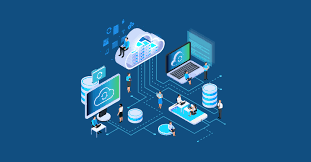
Extending DevOps practices into the cloud, this class focuses on designing, deploying, and monitoring resilient infrastructure at scale. Students will master cloud platforms (AWS, Azure, or GCP) , covering core services such as virtual networks, compute instances, storage solutions, load balancers, and auto-scaling groups. The observability pillar emphasizes metrics, logs, and distributed tracing—using tools like CloudWatch, OpenTelemetry, Prometheus, Loki, and Jaeger to gain deep visibility into system health and performance. Topics include infrastructure as code (Terraform, CloudFormation), serverless architectures, cost optimization, security best practices, and incident response. By the end, learners will be able to architect cloud-native systems and proactively detect, diagnose, and resolve issues, preparing them for cloud engineer, DevOps, or SRE roles.

Program Curriculum

Course Content

Explore the full learning path section by section and preview what is included in this program.
What is Cloud Computing?
Preview Text
Why Organizations Use the Cloud
Text
Locked
On-Premises vs Cloud Infrastructure
Text
Locked
Shared Responsibility Model
Text
Locked
IaaS, PaaS, and SaaS Explained
Text
Locked
Choosing Between IaaS, PaaS, and SaaS
Text
Locked
Managed Services vs Self-Managed Services
Text
Locked
EC2 – Elastic Compute Cloud
Text
Locked
S3 – Object Storage Fundamentals
Text
Locked
RDS – Managed Relational Databases
Text
Locked
VPC – Virtual Private Cloud
Text
Locked
IAM – Identity and Access Management
Text
Locked
CloudFront – Content Delivery at the Edge
Text
Locked
Lambda – Serverless Compute Fundamentals
Text
Locked
Why Cross-Cloud Awareness Matters
Text
Locked
Azure Core Service Equivalents
Text
Locked
Google Cloud Platform Core Equivalents
Text
Locked
Conceptual Portability Across Cloud Providers
Text
Locked
IAM Roles, Users, and Policies
Text
Locked
Least Privilege Principle
Text
Locked
Access Boundaries and Secure Cloud Usage
Text
Locked
Secrets, Credentials, and Operational Security
Text
Locked
VPC, Subnets, and Network Segmentation
Text
Locked
Gateways, NAT, and Internet Access Paths
Text
Locked
Load Balancers: ALB and NLB
Text
Locked
Route53 and DNS Management
Text
Locked
Networking and Peering Concepts
Text
Locked
Traffic Paths from User to Cloud Service
Text
Locked
Auto Scaling Groups
Text
Locked
Elasticity in Cloud Systems
Text
Locked
Serverless Architecture with AWS Lambda
Text
Locked
Elastic Beanstalk Overview
Text
Locked
ECS and Container-Based Cloud Workloads
Text
Locked
EKS and Managed Kubernetes in the Cloud
Text
Locked
Choosing Between VM, Container, and Serverless Models
Text
Locked
Why Cloud Cost Management Matters
Text
Locked
Common Sources of Cloud Waste
Text
Locked
Right-Sizing and Resource Planning
Text
Locked
Reserved Capacity, Spot Models, and Cost Trade-Offs
Text
Locked
Architecture Decisions that Affect Cost
Text
Locked
Why Observability Matters in Cloud Systems
Text
Locked
CloudWatch Fundamentals
Text
Locked
Prometheus and Metrics Collection
Text
Locked
Grafana Dashboards and Visualization
Text
Locked
Centralized Log Management with the ELK Stack
Text
Locked
Designing for Searchable and Useful Logs
Text
Locked
What is Distributed Tracing?
Text
Locked
Jaeger Overview
Text
Locked
OpenTelemetry Fundamentals
Text
Locked
Alerting Concepts and Signal Quality
Text
Locked
PagerDuty and Opsgenie Overview
Text
Locked
From Monitoring to Incident Response
Text
Locked
Backup Strategies in the Cloud
Text
Locked
Disaster Recovery Planning
Text
Locked
Recovery Objectives: RPO and RTO
Text
Locked
Multi-Region Redundancy
Text
Locked
Choosing the Right Resilience Strategy
Text
Locked
Cloud Infrastructure & Observability Wrap-Up
Text
Locked
Cloud Infrastructure & Observability

Cloud Infrastructure & Observability

$99.00
Not enrolled
Category
Instructor Filimon Shferaw
Lessons 11 Sections
Instructors

Meet the Instructor

  • Filimon Shferaw
    Senior Software Engineer